

A balcony is the part of a home that people love most and use least. For a few weeks each year the weather is perfect; the rest of the time wind, rain, dust and cold keep the doors closed. Guillotine glass balcony systems solve exactly this problem by closing the balcony with vertically sliding glass panels that drop into or rise out of the frame, turning an unusable outdoor space into a room you can enjoy in every season without losing the view. As one of Turkey's established aluminum extrusion manufacturers, Kenan Metal produces the aluminum profile systems these installations depend on in its own facilities and supplies fabricators across the world. In this article we look at how a guillotine glass balcony works, how it differs from classic balcony glazing, what it costs you in maintenance and what you should check before you commit to one.
What Is a Guillotine Glass Balcony System?
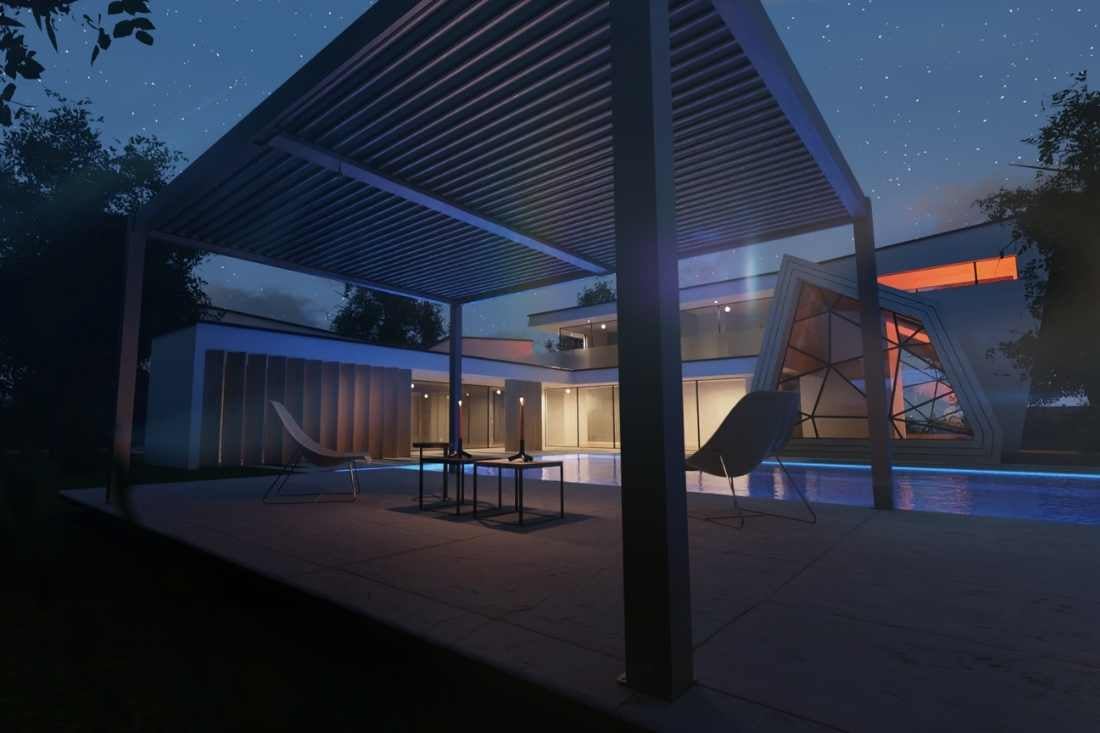
A guillotine glass system – also called a vertical sliding glass system – is a glazing assembly in which the panes move up and down rather than sideways. Each bay is framed by aluminum posts that contain the running gear, and the glass panels slide vertically within them. When the panels are lowered the balcony is a fully enclosed, weather-tight room; when they are raised the parapet-level opening becomes a completely clear space with no sliding leaves stacked in the corner and no frames interrupting the view.
The name comes from the movement, not from anything about the mechanism being unsafe. Modern systems are counter-balanced with weights or springs, or driven by an electric motor, and every quality installation includes locking devices that hold the panel at any height even if the drive fails. If you would like a broader introduction to the family, our earlier article on guillotine glass systems covers the general principles and applications.
How Does a Guillotine Glass Balcony Work?
Three elements make the system work. First, the carrier profiles: extruded aluminum posts and beams that carry the glass weight and transfer wind load to the building. Second, the balance system: counterweights running inside the posts, gas springs, or a motorised drive with a belt or chain. Third, the sealing package: brush and rubber gaskets that keep water and wind out when the panels are closed.
In a manual counter-balanced system the weight of each pane is matched almost exactly by the counterweight, so a large panel can be raised with one hand. In a motorised system a switch or remote control operates the drive, and multiple bays can be linked so that a whole balcony opens with one command. Rain and wind sensors can be added to close panels automatically when the weather turns, which matters on high-rise balconies where nobody is home during a summer storm.
Guillotine Glass Balcony vs. Classic Balcony Glazing
Turkey's most common balcony enclosure is the folding or sliding glass system, in which frameless panes swing or slide sideways and stack at one end. It is inexpensive and it works, but it has trade-offs that the guillotine system avoids.
- Stacking space. Folding systems park all the leaves at one end, which permanently blocks part of the balcony. Guillotine panels disappear into the frame instead.
- Clean opening. When a guillotine balcony is open, the opening is completely free – no vertical mullions, no stacked glass, nothing to look past.
- Weather sealing. Frameless folding systems seal poorly at the joints. A guillotine system with proper gaskets performs closer to a window than to a screen.
- Wind behaviour. Open folding leaves catch the wind and slam; guillotine panels are held in their tracks at all times.
- Cost and complexity. Guillotine systems cost more and need a stronger structural frame, and motorised versions need a power supply. This is the honest trade-off.
Sideways-sliding systems have their place too, particularly in large openings at ground level. Our overview of aluminum sliding systems explains where they work best.
The Role of the Aluminum Profile
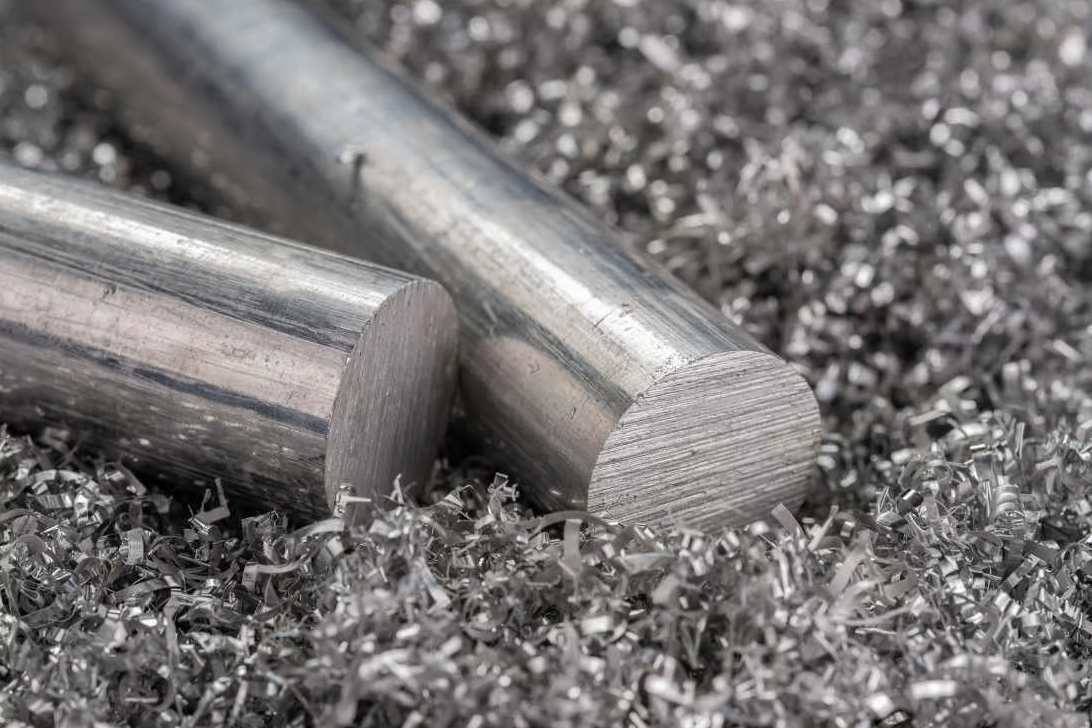
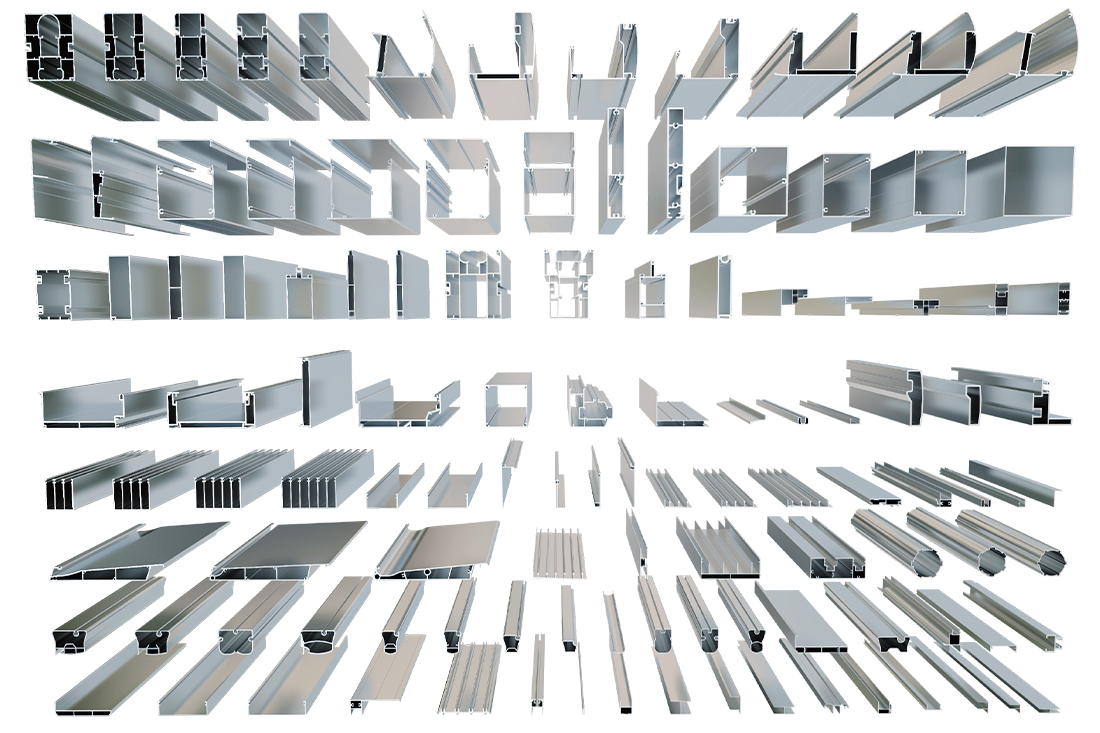
Everything the system does well depends on the extruded profile behind it. The posts have to be stiff enough that a 2.5-metre-tall pane does not deflect under wind load; they have to house the counterweight or motor, the guide rails and the drainage channels; and they have to hold gaskets in the right position for the seal to work. That means a multi-chamber hollow section with integrated screw ports, drainage paths and gasket grooves – a shape that only extrusion can produce economically.
Alloy and temper matter as much as geometry. Architectural systems normally use 6063 or 6060 in T5 or T6 temper, which balances extrudability, surface quality and strength. Wall thickness has to be verified against the height and glass weight of the specific project rather than copied from a catalogue. You can see the sections we produce for glazing applications on our glass profiles page.
Advantages of a Guillotine Glass Balcony
The obvious benefit is extra usable space: a 10 m² balcony that was usable for two months becomes usable for twelve. Beyond that, the enclosure creates a buffer zone that reduces heat loss from the rooms behind it in winter and, with the panels open, provides cross-ventilation in summer. Noise from the street drops noticeably once the panels are closed, which is often the deciding factor on a busy road. Dust, pollen and rain stay outside, so balcony furniture survives far longer. And because the frames are slim and the movement is vertical, the balcony keeps the clean, uninterrupted look that made it attractive in the first place.
There is an energy dimension too. A glazed balcony acts as an unheated sun space, capturing solar gain in winter and releasing it slowly into the building. The relationship between glazing systems and building energy performance is something we explored in our article on the role of aluminum profiles in energy efficiency.
Where Guillotine Glass Systems Are Used
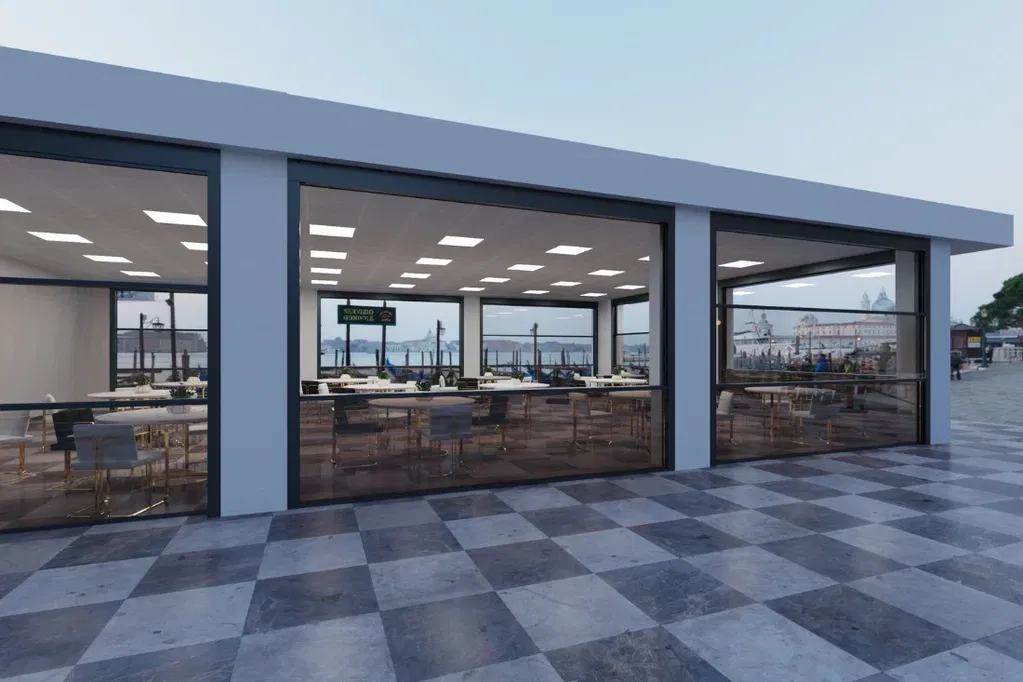
Residential balconies and terraces are the largest market, but the same system solves problems in hospitality and retail. Cafés and restaurants use guillotine glass to open a street frontage completely in good weather and close it in minutes when it rains, without losing a single table to stacked panels. Hotels use it on rooftop bars and sea-view terraces. Showrooms use it as a full-height display opening. Winter gardens and sunrooms combine guillotine walls with fixed roof glazing; our article on aluminum winter gardens looks at that combination in detail.
Glass, Motor and Size Options
Glass specification is the first decision. Single tempered glass of 8–10 mm is the economical choice for a simple enclosure. Laminated glass adds safety and cuts noise further. Double glazed units turn the balcony into a genuinely thermally separated room, at the cost of much greater weight, which the profile and balance system must be designed for from the start. Low-E coatings and solar control glass are worth considering on south and west facades.
Panel size is limited by weight and by the structural capacity of the posts rather than by an arbitrary catalogue figure, but bays of roughly 1.5 to 2 metres wide and up to about 2.7 metres tall are common. Taller openings are usually divided into two vertically stacked panels, either of which can be moved independently – a useful arrangement, because it allows ventilation at the top while the lower half stays closed.
For the drive, manual counter-balanced systems are cheaper, silent and immune to power cuts. Motorised systems are the right answer for heavy double-glazed panels, for high-level installations that are hard to reach, and wherever automation and sensors are wanted.
Sealing, Drainage and Wind Performance
An enclosure is only as good as its seals. Look for continuous EPDM or TPE gaskets on the vertical edges, brush seals at the sill, and a drained sill profile that carries water out through weep holes rather than letting it pool. Ask for tested figures for air permeability, water tightness and wind resistance rather than accepting general claims, and make sure the wind rating covers the height of the balcony rather than a ground floor installation.
Thermal movement also needs attention. Aluminum expands roughly 2.4 mm per metre per 100°C, so a long run of bays must include allowance for expansion in the head and sill detail. Anodised or powder coated finishes protect the aluminum for decades; the choice between them is discussed in our guide to surface treatment of aluminum profiles.
Maintenance and Cleaning
Guillotine glass systems are undemanding, but they are mechanical, so a little routine care pays off. Wash the glass and the visible profile faces with clean water and a pH-neutral detergent two to four times a year, more often near the sea. Keep the sill drainage channel clear of leaves and dust, since a blocked weep hole is the most common cause of water sitting inside the frame. Wipe the guide tracks and check that the gaskets are still seated correctly. Manual counter-balanced systems normally need nothing more; motorised systems should have their drive, belt and limit switches checked once a year by the installer.
What to Check Before You Buy
Ask who manufactured the aluminum profile and what alloy and temper it is; ask for the tested wind, water and air performance of the exact system, not a similar one; confirm that the balance mechanism includes an anti-fall device; check that the sill detail drains outward; and confirm that spare parts and service will be available in five years. Finally, check the structural side: parapet fixings and the slab edge have to be able to carry the system, and on an existing building that is worth verifying before the order rather than on installation day.
Frequently Asked Questions
Is a guillotine glass balcony safe for children?
Yes, when correctly specified. Tempered or laminated glass, an anti-fall locking device and a panel that cannot be released accidentally are standard on quality systems.
Does it provide thermal insulation?
A single-glazed enclosure creates a buffer zone that noticeably reduces heat loss; a double-glazed thermally broken system provides genuine insulation comparable to a window.
Can it be installed on an existing balcony?
Usually yes, provided the parapet and slab edge can carry the loads. A site survey by the fabricator is essential.
What happens in a power cut?
Manual systems are unaffected. Motorised systems normally include a manual override or battery backup so panels can still be moved.
Conclusion
A guillotine glass balcony system converts a space you use for a few weeks into a room you use all year, without stacked leaves, without blocking the corner and without giving up the view. The performance you get depends almost entirely on what is inside the frame – the alloy, the section geometry, the balance mechanism and the gasket package. Kenan Metal produces the aluminum extrusion profiles behind these systems in its own extrusion, anodising and powder coating facilities, and develops project-specific dies for fabricators who need a section that does not exist yet. If you are planning a balcony enclosure or specifying a system for a project, our technical team is ready to help.