

In the aluminum extrusion industry, the quality of the final profile is determined long before the extrusion press begins its work. The foundation of every high-performance aluminum profile lies in one critical material: aluminum billet.
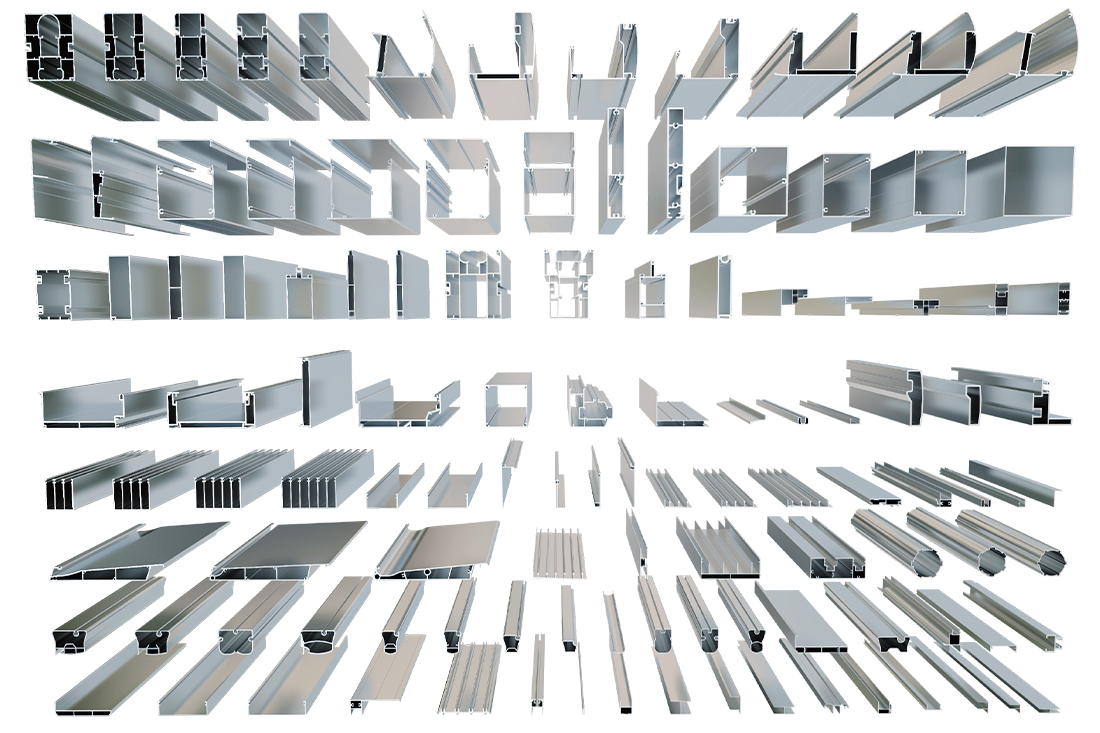
Aluminum billets serve as the raw material used in extrusion presses to create architectural systems, industrial components, and structural aluminum profiles. Their chemical composition, purity level, and metallurgical consistency directly affect extrusion efficiency, surface quality, and mechanical performance.
At Kenan Metal, billet production is carried out with a focus on high purity alloys, strict metallurgical control, and international quality standards, ensuring reliable performance for extrusion processes worldwide.
What is an Aluminum Billet?
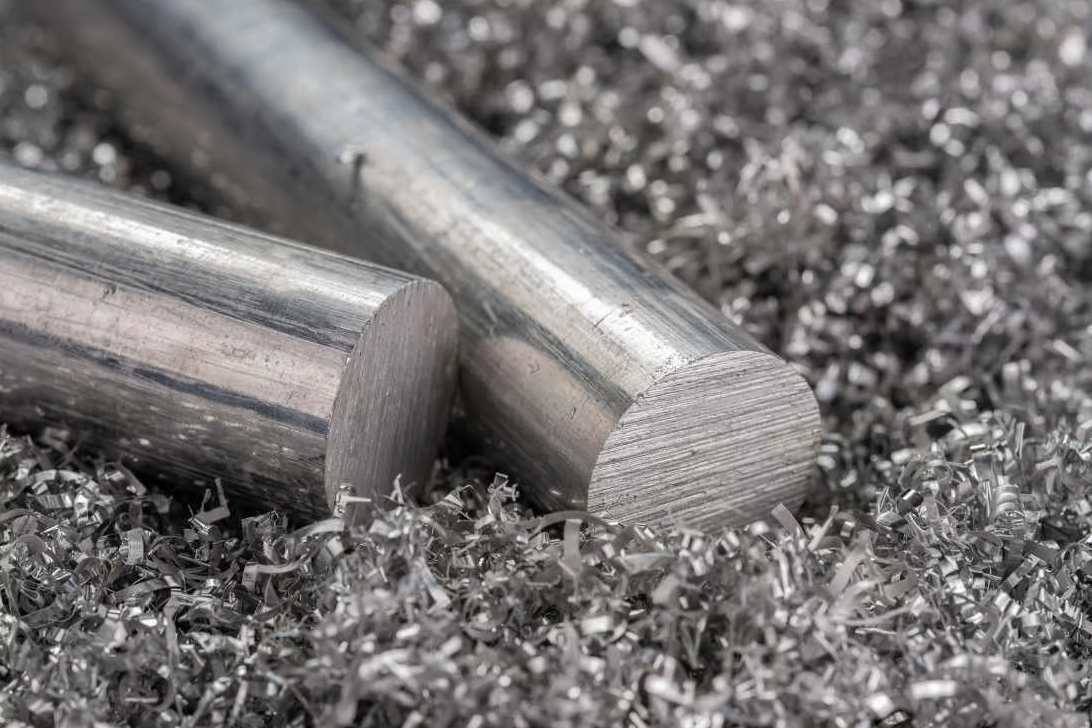
An aluminum billet is a cylindrical metal bar produced through a controlled casting process. These billets are heated and pushed through extrusion dies to create aluminum profiles with precise cross-sections.
The billet must have:
- consistent alloy composition
- homogeneous internal structure
- controlled grain size
- minimal impurities
If billet quality is inconsistent, extrusion lines may experience surface defects, dimensional variations, or structural weaknesses in the final aluminum profiles.
This is why leading extrusion manufacturers prioritize billet metallurgy as the first step of quality control.
High Purity Aluminum Billet Production
Kenan Metal produces aluminum billets using advanced casting technologies designed to maintain precise alloy composition and structural consistency.
The production process typically includes:
1. Raw Aluminum Selection
High purity primary aluminum is selected to ensure consistent alloy chemistry.
2. Alloy Preparation
Elements such as silicon (Si), magnesium (Mg), manganese (Mn), and zinc (Zn) are added in controlled proportions depending on the required alloy series.
3. Billet Casting
Molten aluminum is cast into cylindrical molds using controlled cooling conditions to ensure uniform grain structure.
4. Homogenization
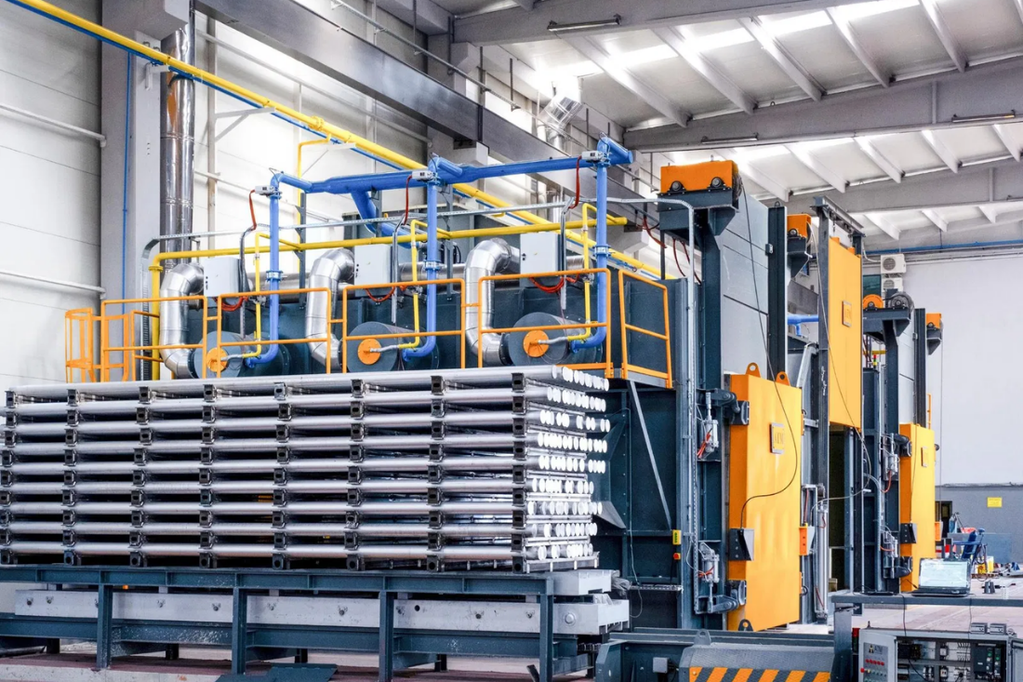
Billets undergo homogenization heat treatment to eliminate micro-segregation and improve extrusion performance.
Through these steps, Kenan Metal ensures that billets offer stable extrusion behavior, superior surface quality, and high mechanical performance.
Standard Aluminum Billet Alloys
Kenan Metal produces a wide range of billet alloys commonly used in aluminum extrusion applications.
Typical extrusion billet alloys include:
- 6060 – ideal for architectural aluminum profiles
- 6063 – widely used in windows, doors, and façade systems
- 6005 – suitable for structural applications
- 6082 – high strength alloy for industrial systems
- 3003 – corrosion resistant alloy used in industrial applications
- 3103 – aluminum alloy suitable for specialized extrusion products
- 1070 / 1080 – high purity aluminum alloys
These alloys are engineered to provide a balance between extrudability, strength, corrosion resistance, and surface finish quality.
Precise control of elements such as Si, Mg, Fe, Mn, and Cu ensures consistent metallurgical properties across production batches.
Custom Billet Production for Specialized Applications
In addition to standard billet alloys, Kenan Metal also offers custom alloy compositions tailored for specific industrial applications.
Special alloy production enables manufacturers to achieve:
- higher structural strength
- improved corrosion resistance
- better extrusion flow
- optimized surface finishing results
By adjusting alloy ratios and impurity limits, the billet can be optimized for demanding extrusion processes or specialized product requirements.
This flexibility allows Kenan Metal to support large-scale industrial extrusion projects and customized manufacturing solutions.
Why Billet Quality Matters in Aluminum Extrusion
Billet quality directly influences the efficiency and outcome of the extrusion process.
High-quality billets provide several advantages:
Stable extrusion flow
Uniform billet composition ensures smooth metal flow through the die.
Improved surface finish
Low impurity levels reduce extrusion defects and surface imperfections.
Higher mechanical performance
Controlled alloy composition improves strength and durability.
Consistent profile geometry
Homogeneous billet structure supports accurate dimensional tolerances.
For extrusion manufacturers, using high-quality billets means higher productivity, lower scrap rates, and superior final products.
Kenan Metal’s Billet Manufacturing Strength
Kenan Metal operates modern aluminum production facilities designed to support both billet casting and aluminum extrusion manufacturing.
Key strengths of the company’s billet production include:
- precise alloy control
- advanced casting technology
- homogenization heat treatment
- strict quality inspection
- large-scale production capacity
With manufacturing operations in Tekirdağ and headquarters in Istanbul, Kenan Metal supplies aluminum billets and profiles to international markets across Europe, the Middle East, Africa, and Asia.
This integrated production capability allows the company to maintain complete control over the aluminum supply chain, from raw metal to finished aluminum profiles.
Supporting Global Aluminum Extrusion Industries
Today, aluminum extrusion manufacturers require reliable billet suppliers capable of delivering consistent metallurgy, stable quality, and scalable production volumes.
Kenan Metal supports global extrusion operations by providing billets engineered for:
- architectural aluminum systems
- industrial components
- façade and structural profiles
- transportation and engineering applications
Through continuous investment in metallurgy, casting technology, and quality control, Kenan Metal continues to strengthen its position as a trusted partner in the global aluminum supply chain.